
HVAC leads: how to get system replacement leads instead of $150 service calls
How HVAC companies can generate replacement and install leads, separate them from service calls, qualify homeowners, plan around seasons and measure cost per new system sold.
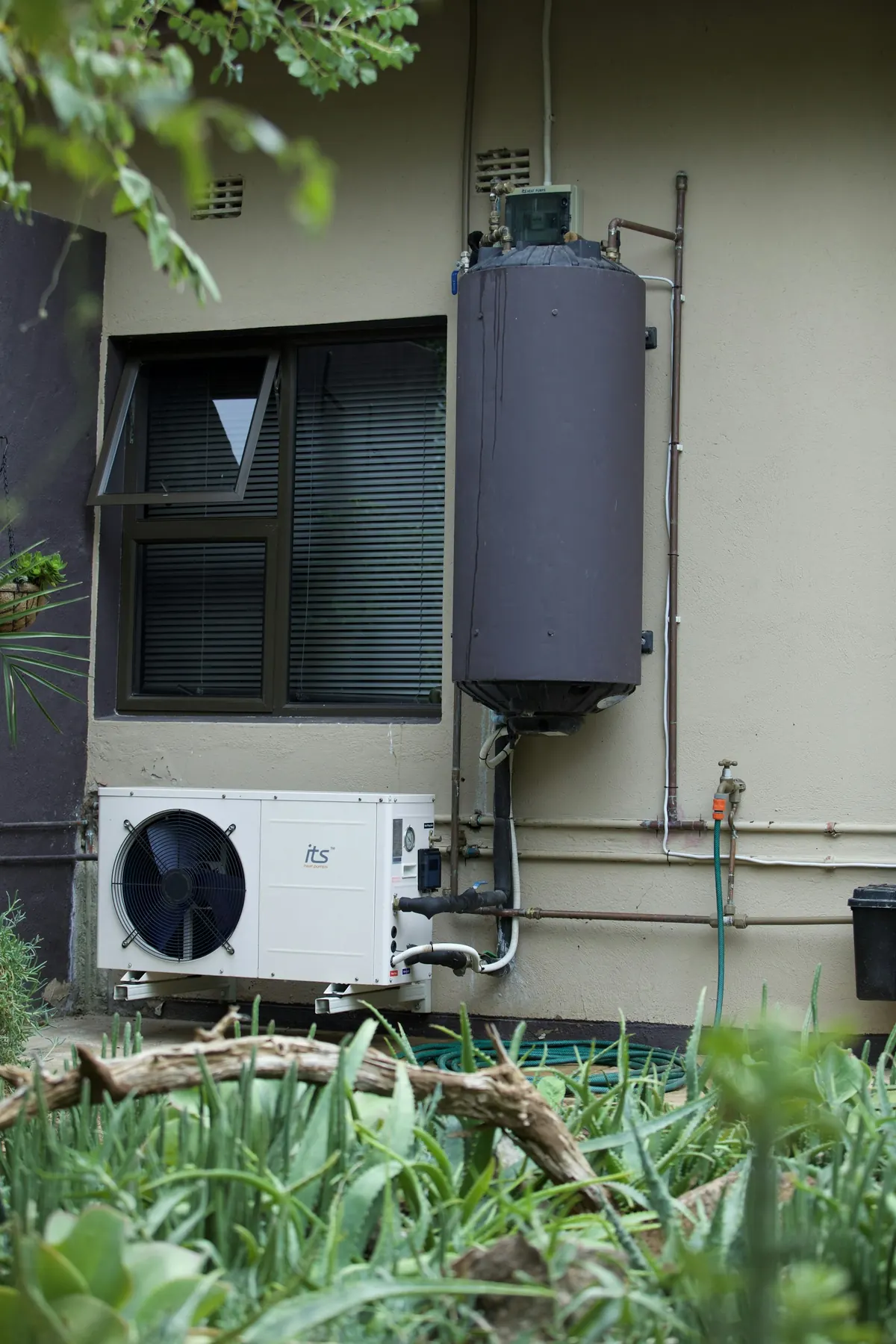
Residential water heater and heat pump installed on an exterior wall. Illustrative photo: Sergio Martins / Unsplash
The short answer: most HVAC marketing mixes two businesses. Service calls are fast and cheap; system replacements are high ticket and need a sit-down with a comfort advisor. To get more replacement leads, run campaigns and offers built only for replacement, qualify homeowners on equipment age and plans before they reach your calendar, move budget with the weather, and judge everything by cost per system sold.
Service leads vs replacement leads
| Service lead | Replacement lead | |
|---|---|---|
| What they want | Fix it today | Decide on a new system |
| Ticket | Low | Many times higher |
| Who runs it | Technician | Comfort advisor |
| Best channels | Search, LSA, phone | Meta, search for replacement terms, maintenance base |
| Speed needed | Immediate | Fast first contact, then a planned visit |
When both types land in the same pipeline, your best advisors end up running tune-ups. Separate them from the ad all the way to the calendar.
Where HVAC replacement leads come from
1. Your own customer base
Your maintenance members and past service customers with older equipment are the warmest replacement leads you have. A simple “your system is 12+ years old, want a free replacement estimate?” campaign by text and email often beats any paid channel.
2. Meta (Facebook and Instagram) ads
Meta reaches homeowners before they search: the AC that keeps failing, the bills that keep climbing. Offers that tend to work: a free comfort assessment with a replacement quote, financing if you offer it, and seasonal rebates you already run.
3. Google Search for replacement terms
Bid on phrases like “AC replacement cost” or “new furnace [city]” and send them to a replacement page, not your service page.
4. Google Local Services Ads
Great for urgent “no cool” and “no heat” calls. Some of those become replacements, especially with older equipment. Have your techs trained to flag replacement opportunities on the spot.
5. Pay per sit-down partners
Booked Contractor books HVAC replacement appointments with homeowners, qualified on equipment age, system type, ownership and timeline, and you pay only when the homeowner sits down with your advisor. See HVAC.
How to qualify an HVAC replacement lead
Ask before booking, so your advisor’s time goes to real opportunities:
- Do you own the home?
- How old is the system, and what type is it?
- What’s going on: no cooling, no heat, high bills, constant repairs?
- Are you looking to replace, and when?
- Would financing help you decide?
Plan around the seasons
- Heat waves and cold snaps: urgent replacements spike. Be ready to answer fast and book within days.
- Shoulder seasons: run planning offers (comfort assessments, rebates, financing) and work your maintenance base.
- Move budget with the weather instead of spending the same every day.
Speed still decides who gets the visit
A homeowner whose AC died in July calls several companies. The one that answers and offers a time first usually gets the job. Text, email and call in the first minute, and follow up for days with the ones who don’t answer. See the lead response time guide.
Measure cost per system sold
Track cost per lead, schedule rate, show rate and close rate, and judge each channel by cost per system sold. Keep it under one fifth of the gross profit per system using the 5x rule. Example, not a benchmark: a $12,000 system at a 40% margin leaves $4,800, so up to about $960 in marketing per system. Run your numbers in the calculator.
Checklist
- Separate replacement and service in ads, landing pages and pipeline.
- Qualifying questions before the calendar.
- First contact in under a minute.
- Replacement campaign to your own customer base twice a year.
- Budget that moves with the weather.
- Cost per system sold reviewed monthly.
Related: HVAC replacement appointments · Exclusive vs shared leads · Pay per lead vs pay per appointment

David Sierra is the founder of Booked Contractor. In 10+ years of digital marketing and lead generation he has worked with 300+ clients, generated thousands of qualified sales calls and invested more than US$30M in ads.